Payment Gateway Choices Shape Session Lengths in Mobile Reel and Wheel Games Across Regulatory Regions
Written by Ines Schmidt · Oct 4, 2026
Payment Gateway Choices Shape Session Lengths in Mobile Reel and Wheel Games Across Regulatory Regions
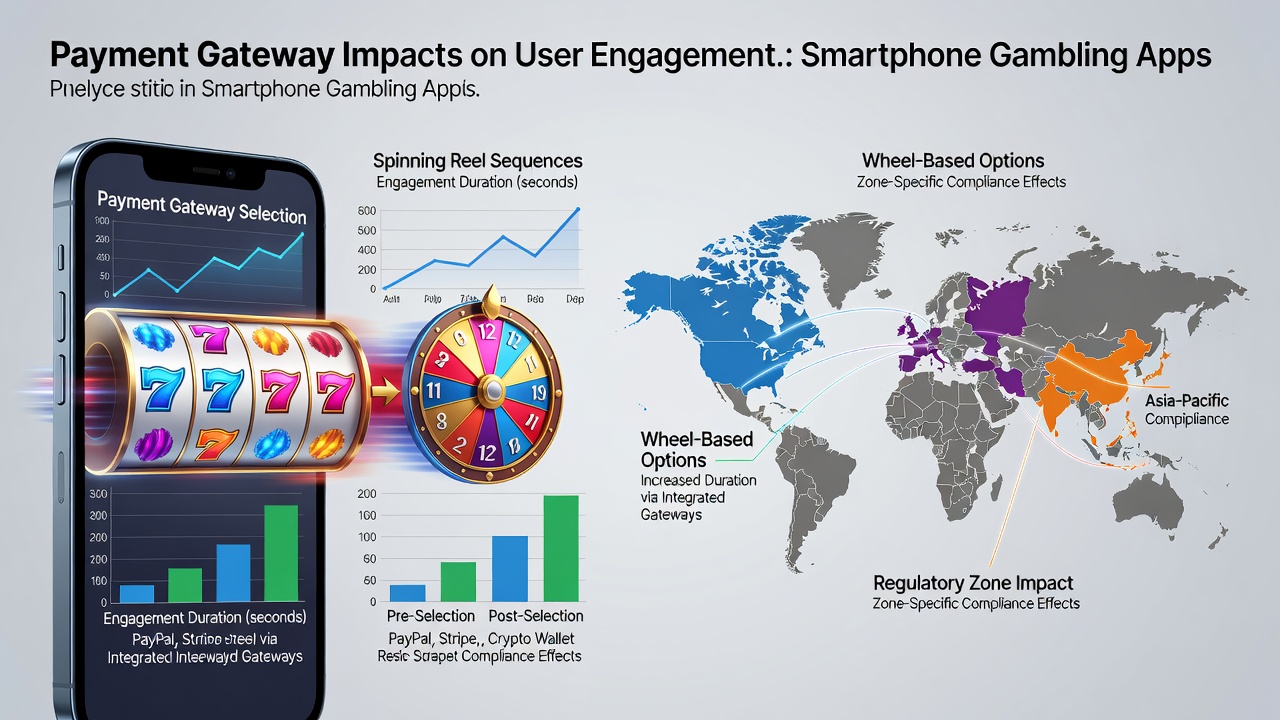
Payment gateway selections influence how long users stay engaged with spinning reel sequences compared to wheel based options in smartphone gambling environments, and data collected through October 2026 shows measurable differences across regulatory zones. Transaction speed, fee structures, and available funding methods create distinct patterns that operators track through session analytics. Researchers examining these variables note that reel based games often see extended play when instant deposit options process without delays, whereas wheel games respond more to withdrawal flexibility that lets players cash out mid session.
Core Mechanics of Gateway Influence on Mobile Play
Spinning reel sequences and wheel based options operate under different pacing demands in smartphone applications, and payment gateways intersect with those rhythms in observable ways. Reel games rely on rapid successive spins that benefit from seamless top ups, while wheel options involve longer decision intervals between rounds that align with gateways offering scheduled payouts. Studies compiled by industry analysts indicate that users in markets with streamlined digital wallet integrations maintain longer reel sessions because reloads occur within seconds, whereas slower bank transfer gateways correlate with shorter wheel engagements due to interrupted flow.
Regulatory zones impose varying rules on transaction verification that further modify these durations. In regions requiring multi step authentication for each deposit, reel sequences lose momentum as players pause between spins, yet wheel based formats sometimes retain users longer because the built in pauses accommodate verification checks. Data from multiple jurisdictions reveal that gateways supporting recurring payments without repeated approvals extend average reel engagement by measurable margins compared to single use card processors.
Regional Variations in Gateway Effects
Across North American regulated markets, gateway availability differs sharply between states and provinces, producing distinct engagement profiles for reels versus wheels. Operators in New Jersey report that e wallet gateways tied to local banking networks sustain longer reel sessions, while wheel play durations remain stable regardless of gateway speed because players treat each spin as a discrete event. Similar patterns emerge in Canadian provinces where provincial frameworks favor certain processors, and engagement metrics show reel sequences outlasting wheel options when instant funding succeeds on the first attempt.
European and Asian regulatory environments add additional layers through currency conversion requirements and cross border restrictions. Gateways handling multiple currencies without extra steps tend to keep reel sessions active longer in markets with frequent player migration, whereas wheel based options see steadier durations when gateways permit quick balance checks before each round. Figures released by the New Jersey Division of Gaming Enforcement highlight how processor choice correlates with session continuity in both categories.
Data Patterns from Recent Analyses
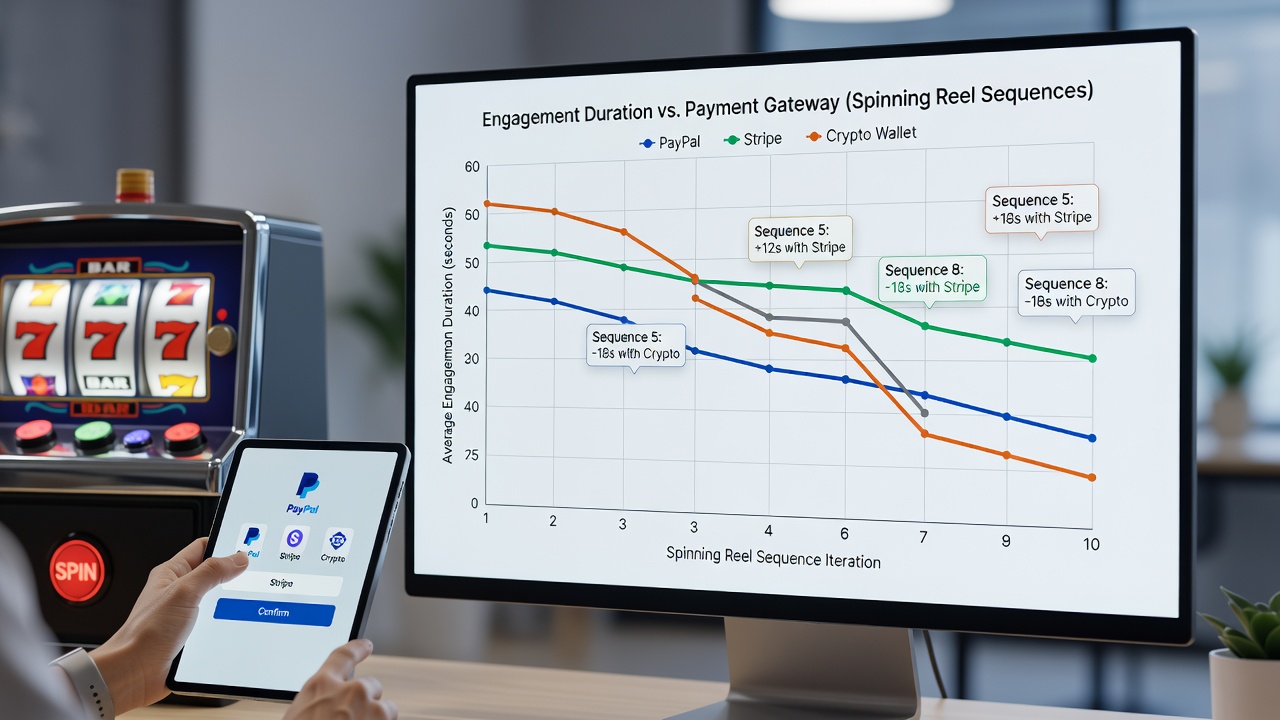
Analytics platforms tracking smartphone gambling activity through October 2026 document consistent shifts tied to gateway selection. Reel sequences demonstrate higher sensitivity to deposit latency because players expect continuous action, and delays push users toward other activities. Wheel based options, by contrast, accommodate slower gateways better since decision making already consumes time between rounds. One study revealed that users switching between gateways mid session often extend wheel play while shortening reel sequences when the new option offers superior withdrawal speeds.
Additional observations from academic research groups show that fee transparency also plays a role. Gateways disclosing costs upfront maintain engagement across both formats, yet hidden fees trigger quicker exits from reel sequences where small repeated transactions accumulate. Wheel sessions prove more resilient because players typically place fewer but larger wagers that justify the fee awareness period.
Operator Adjustments in Varied Regulatory Contexts
Operators respond to these patterns by tailoring gateway offerings to game type and regional rules. In zones with strict anti money laundering protocols, additional verification layers apply uniformly, yet reel sessions suffer more because of their high frequency transaction nature. Wheel based options integrate more smoothly with gateways that batch approvals, preserving engagement even under heavier compliance loads. Reports from the Canadian Gaming Association illustrate how such adjustments stabilize session lengths when matched to specific game mechanics.
Smartphone interfaces further amplify gateway effects through notification timing and in app navigation. Seamless gateway switching within the application keeps reel sequences flowing, while external redirects for certain processors interrupt wheel momentum less severely due to the natural breaks in play. These interactions produce measurable differences in retention metrics across the examined regulatory zones.
Conclusion
Payment gateway selections alter engagement durations between spinning reel sequences and wheel based options in smartphone gambling environments through transaction speed, fee structures, and regulatory compliance demands. Patterns observed through October 2026 demonstrate that reel sessions respond more to instant funding capabilities, while wheel engagements show greater tolerance for verification steps and withdrawal flexibility. Regional regulatory differences shape which gateways operators prioritize, and data from multiple sources confirm that these choices produce distinct session length outcomes depending on game format and jurisdiction.